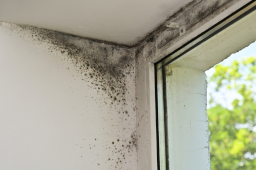
Mould spores in the corner of a window
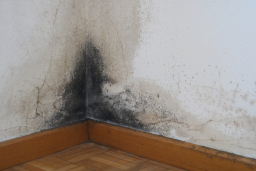
Black Mould health risk needing urgent remediation work
Awaab’s Law: Protecting Homes from Damp and Mould
Awaab’s Law is a landmark regulation introduced under the Social Housing (Regulation) Act 2023, following the tragic death of two-year-old Awaab Ishak due to prolonged exposure to mould in his home. The law enforces strict time lines for social landlords in England to investigate and resolve serious housing hazards—particularly damp and mould.
Effective from 27 October 2025, the Hazards in Social Housing (Prescribed Requirements in England) require clear and concise time lines to repair any issues as detailed below:
- Prompt investigation of reported issues within 14 days.
- Emergency action to make safe any hazards such as water leaks, gas, and electrics within 24 hours.
- Repairs initiated within 7 days of the confirmed issues reported.
- Ongoing communication with tenants throughout the remedial process.
While Awaab’s law directly applies to social housing providers, it sets a new benchmark for the entire housing sector—including private landlords, developers, and contractors. A1 Damp Proofing Solutions are committed to helping all property owners meet these standards.
Why Damp and Mould Must Be Taken Seriously
Damp and mould are more than just cosmetic concerns—they pose serious risks to people’s health, property integrity, and legal compliance. Some of the main points have been detailed below:
Health Risks
- Mould spores aggravate asthma, allergies, and respiratory conditions.
- Vulnerable groups such as children, the elderly, and people with weakened immune systems are especially at risk.
Structural Damage
- Damp weakens plaster, timber, and insulation compromising a buildings integrity.
- Long-term exposure to untreated damp leads to costly repairs and reduced energy efficiency within the home.
Legal & Compliance Risks
- Failure to act within Awaab’s Law timeframes can result in fines, reputational damage, and legal enforcement.
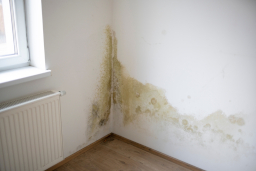
Damp and mould in corner of a bedroom
Early Warning Signs of Damp and Mould
A1 Damp Proofing are qualified to identify and respond to early indicators before they escalate into larger more costly and health risk situations. We conduct a full in depth survey using moisture meters and relative humidity meters to confirm the levels of damp, where the damp is coming from, and provide the best methods to cure the problem. Common indications of damp issues are listed below:
- Black mould spots on walls, ceilings, and window reveals
- Peeling wallpaper or bubbling paint
- White salt deposits (efflorescence) near floor levels
- Damp patches that worsen after rainfall
- Persistent condensation on windows or cold surfaces
- Musty odours and discoloured plaster or skirting boards
If you notice any of these signs, contact us immediately whether you’re a private landlord or part of the UK’s social housing system for a professional survey.
We stock dehumidifiers and air purifiers that can be installed during our initial visit to assess mould and damp issues. These devices provide rapid moisture control, helping to reduce damp levels, condensation, and humidity. This proactive approach limits further mould growth while comprehensive remedial works are carried out to permanently resolve the problem.